Testosterone Booster Side Effects and Safety: An Honest Guide
What are the side effects of testosterone boosters, and are they safe?
Natural testosterone booster side effects are usually mild and dose-related, not the dramatic risks people fear. Most reports involve digestion or a headache from a single overdone ingredient. Prescription TRT is a different, medically supervised category. Stick to studied doses, third-party tested products, and clear it with a doctor if you take medication.
- Most common: stomach upset, nausea or a mild headache, usually from too much zinc.
- Biggest safety lever: sensible doses plus independent lab testing.
- Non-negotiable: ask a doctor first if you have a heart or prostate condition.

If you have typed testosterone booster side effects into a search bar, you are already doing the responsible thing, and you deserve a straight answer rather than either fear-mongering or a sales pitch. The honest version is reassuring but not blank: most natural, non-hormonal boosters are well tolerated by healthy men, the side effects that do occur are usually mild and tied to a specific overdone ingredient, and the real risk sits at the extremes of dosing rather than in the middle. This page walks through what can actually go wrong, why, and how to make it very unlikely.
First, know which kind of "testosterone booster" you're holding
The phrase covers two completely different things, and conflating them is where most of the internet anxiety comes from. On one side is prescription testosterone replacement therapy, or TRT: actual hormone, delivered by gel, injection or pellet, prescribed and monitored by a doctor because it changes your endocrine system directly. TRT carries a genuine list of considerations, including effects on red blood cell count, fertility, and the need for cardiovascular and prostate monitoring. It is a medical treatment, full stop.
On the other side is the category this article is about: over-the-counter, non-hormonal supplements built from vitamins, minerals and botanicals such as zinc, boron, vitamin D, ashwagandha, Tongkat Ali and fenugreek. These do not contain testosterone or anabolic steroids. They aim to supply the raw materials and support the pathways your body already uses to make its own hormones. Because they work with your physiology rather than overriding it, their side-effect profile is far gentler, and the failure mode is usually "did nothing noticeable" rather than "caused harm." A product like BoostSteelX sits firmly in this second group: transparent, food-derived doses and no anabolic steroids. Keeping the two categories separate in your head is the first safety step.
The most common testosterone booster side effects, ingredient by ingredient
Blanket statements about "testosterone boosters" are almost useless, because a booster is only ever the sum of its ingredients at their specific doses. The smarter question is which components carry which risks, and at what amounts. Here is the practical breakdown for the ingredients you will meet most often.
| Ingredient | What it can cause at high doses |
|---|---|
| Zinc | Nausea, stomach upset, a metallic taste and headaches; chronic megadosing can deplete copper |
| Ashwagandha | Loose stools, nausea or drowsiness; rare reports of liver issues at high or prolonged intake |
| Maca | Generally gentle, but can occasionally raise blood pressure or cause mild digestive changes |
| Tongkat Ali | Usually well tolerated; some report restlessness or trouble sleeping if taken late in the day |
| Fenugreek | Digestive gas, a maple-like body odour, and possible interaction with blood-sugar medication |
Zinc is worth singling out because it is both the most useful and the most over-supplied mineral in this space. It genuinely matters for testosterone production, which is exactly why it appears everywhere, but more is not better. Once you have corrected a shortfall, extra zinc does nothing for your hormones and starts causing the classic stomach-turning nausea and headache instead, especially if taken on an empty stomach. If you want the deeper picture on the deficiency side of that story, our guide to zinc and vitamin D for testosterone in men lays out where correcting a genuine gap helps and where piling on more simply doesn't.
Ashwagandha is the second ingredient to respect. In studied doses it is well tolerated, but at high or extended intakes there have been rare reports of liver enzyme changes, and it can make some people feel sleepy or loosen the bowels. Maca is milder still, though its potential to nudge blood pressure is a reason for anyone with hypertension to pay attention. The pattern across the whole table is the same: the side effect is almost always a signal that a dose is too high, not that the ingredient is inherently dangerous.
Want a booster that shows its doses?
BoostSteelX uses transparent, food-derived amounts and no anabolic steroids — so you can check every ingredient against the safety notes on this page before you commit.
See the BoostSteelX Label & OfferWhy dose and transparency decide almost everything
Notice what all of the risks above have in common: they are dose-dependent, and they are ingredient-specific. That single insight is the key to using these products safely, and it explains why the design of the formula matters more than the marketing on the bottle. A supplement that lists each ingredient and its exact amount lets you sanity-check it against known safe ranges. A supplement that hides everything inside a "proprietary blend" does not, because you cannot tell whether the zinc is a sensible 11 milligrams or a stomach-churning 50.
This is the honest case for transparent labelling, and it is why we keep coming back to it. Clinically studied doses exist for a reason: they are the amounts that showed a benefit without a meaningful side-effect burden in real trials. A well-built formula stays inside those ranges rather than chasing bigger numbers to look more potent. That is the philosophy behind BoostSteelX, and it is also why we spend so much time reading the label instead of the sales page. If you want to see how those doses translate into real-world reports, our breakdown of whether natural testosterone boosters actually work keeps the same evidence-first tone.

Three common objections, answered honestly
Because so much of the worry around this topic is second-hand, it helps to tackle the objections people actually raise before they buy. Each one contains a grain of truth worth taking seriously.
"Aren't these basically steroids with a nicer name?"
No, and this is the myth most worth dismantling. Anabolic steroids are synthetic hormones that flood the body with far more testosterone than it makes naturally, which is precisely why they carry serious cardiovascular, hormonal and psychological risks. Natural boosters contain no hormones at all. They supply nutrients and plant compounds that support your own production within a normal range. The gap between the two is not a matter of degree; it is a different category entirely. A reputable formula will say plainly that it contains no anabolic steroids, and you should be wary of any product that promises steroid-like results, because that promise is either false or dangerous.
"If it's strong enough to work, won't it wreck my hormones long term?"
This assumes potency and harm rise together, which is not how nutrient support behaves. Correcting a zinc or vitamin D shortfall, or lowering chronic stress with an adaptogen, helps your body run its existing machinery more smoothly. It is not forcing an artificial spike that your system then has to compensate for. There is no evidence that sensible, studied doses of these ingredients suppress your natural production the way exogenous hormones can. The realistic long-term risk is not hormonal damage but the milder, reversible side effects we have already covered when a single ingredient is overdone.
"How do I know what's really in the bottle?"
This is the best objection of the three, and the answer is third-party testing. Independent lab verification checks that what the label claims is actually inside, and that the product is free of heavy metals and contaminants. Combined with GMP manufacturing, it is the closest thing to a guarantee you can get in an unregulated market. When you are comparing options, treat a transparent label plus third-party testing as the price of entry, not a bonus. If a brand cannot show you both, its promises about safety are just words.
Who should be cautious, and who should wait
Even in a low-risk category, some men should take extra care or hold off entirely. If you take prescription medication of any kind, the interaction question matters more than the ingredient itself: fenugreek and certain botanicals can affect blood sugar, maca may nudge blood pressure, and adaptogens can interact with thyroid or sedative medications. None of that means disaster, but it does mean a five-minute conversation with your doctor or pharmacist is the right move before you start.
Men with heart conditions, an enlarged prostate, a history of prostate cancer, liver disease or kidney disease should treat medical clearance as mandatory rather than optional. The same goes for anyone under 18. And there is a deeper point here that no supplement label will tell you: persistent low libido, fatigue or mood changes can be early signals of an underlying hormonal, metabolic or cardiovascular issue. Those symptoms deserve a proper assessment and, if needed, a blood test, not a self-managed guess. A booster is a support tool for men in generally good health, never a substitute for finding out why something feels off.
How to take a testosterone booster with the fewest side effects
Most of the mild reactions in this category are avoidable with a handful of unglamorous habits, and they cost nothing. The first is to take the capsules with food rather than on an empty stomach. Zinc in particular is far more likely to trigger nausea and that queasy metallic feeling when it hits an empty gut, and a normal meal blunts the effect almost entirely. The second is to start at the labelled dose rather than doubling up in the hope of faster results. Nothing about taking two servings accelerates the benefit; it only raises your exposure to the one ingredient that was already near your personal tolerance.
Timing helps too. Some men find that Tongkat Ali and other stimulating botanicals feel better earlier in the day, because taking them late can leave a wired, restless edge that interferes with sleep, and poor sleep quietly undercuts the very hormone you are trying to support. If a product makes you feel over-stimulated at night, simply shifting the dose to the morning often solves it. Finally, pay attention to the first two weeks. Genuine intolerance to an ingredient usually shows up early as persistent digestive upset, headaches or a flat, off mood, and the sensible response is to stop, not to push through. A supplement that consistently makes you feel worse is telling you something, and no amount of theoretical benefit is worth ignoring that signal.
None of this is complicated, which is rather the point. The men who have the smoothest experience with a booster are almost never the ones who found a gentler formula by luck; they are the ones who took a sensibly dosed, transparent product with food, at a reasonable time of day, and listened to their own body over the first fortnight.
Medical note: this article is general information, not medical advice. Speak to a healthcare professional before starting any supplement, especially if you take medication or manage a heart, prostate, liver or kidney condition — some botanicals can interact with common drugs.
Scientific references
- NIH Office of Dietary Supplements — Zinc Fact Sheet for Health Professionals
- LiverTox — Ashwagandha and hepatotoxicity case reviews
- PubMed — Safety and tolerability of ashwagandha (Withania somnifera) in clinical trials
- PubMed — Maca (Lepidium meyenii): safety data and blood-pressure observations
- U.S. FDA — Questions and Answers on Dietary Supplements
Frequently asked questions
What are the side effects of testosterone boosters?
Most natural testosterone boosters are well tolerated, and side effects tend to be mild and dose-related. High-dose zinc can cause nausea, stomach upset and headaches; large amounts of ashwagandha may trigger loose stools or nausea and, rarely, liver issues; maca can occasionally raise blood pressure. Sticking to clinically studied doses and third-party tested products keeps the risk low.
Are natural testosterone boosters safe to take daily?
For most healthy men, yes. Formulas built on food-derived, clinically studied doses are generally safe for daily use over a normal supplement timeframe. The key is avoiding megadoses, checking for third-party testing, and taking a break or speaking to a doctor if you notice ongoing digestive upset, headaches or changes in mood or sleep.
Can testosterone boosters affect the heart or prostate?
Natural, non-hormonal boosters are not the same as prescription testosterone, so they do not carry the same cardiovascular or prostate warnings. Even so, if you have cardiovascular disease, an enlarged prostate or a history of prostate cancer, it is sensible to clear any supplement with your doctor first, because some botanicals can affect blood pressure or interact with medication.
Who should not take a testosterone booster?
Skip testosterone boosters if you are under 18, pregnant or breastfeeding, or taking medication for blood pressure, blood sugar, thyroid, mood or blood thinning without medical clearance. Men with liver disease, kidney disease, heart conditions or prostate concerns should also check with a clinician first, because certain botanicals can interact with drugs or existing conditions.
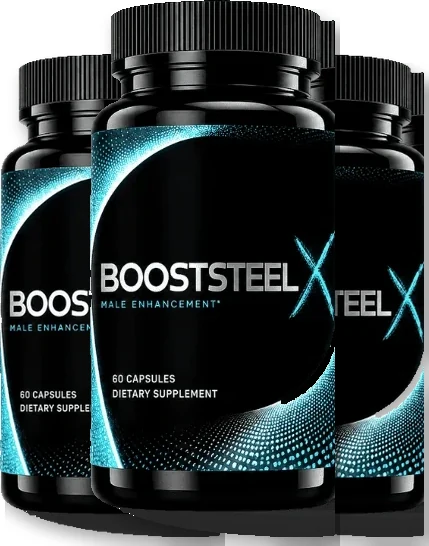
A booster designed around the safe end of the dose range
BoostSteelX keeps its botanicals and minerals at transparent, food-derived amounts, uses no anabolic steroids, and lays every ingredient out so you can check it against the studies before you buy.
Get Offer