Zinc and Vitamin D for Testosterone: The Deficiency Connection in Men
Do zinc and vitamin D really support testosterone in men?
Yes, but mainly by fixing a shortfall. Both zinc and vitamin D for testosterone are essential inputs your body uses to make and regulate the hormone, and both are commonly low in men. Correcting a genuine deficiency can restore normal levels; loading up when you already have enough does little.
- Zinc: essential for testosterone synthesis; about 11 mg a day meets most men's needs.
- Vitamin D: status tracks with testosterone; many men use 1,000–2,000 IU daily or per bloodwork.
- Key rule: supplements help most when a real deficiency exists, not as a top-up on top of plenty.

The link between zinc and vitamin D and testosterone is one of the few areas in men's health where the science, the biochemistry and the real-world deficiency data all point the same direction. These are not exotic compounds with a shaky reputation. They are two ordinary nutrients your body cannot make enough of on its own, both of which are directly involved in how testosterone is produced and regulated, and both of which a large share of men simply do not get enough of. That combination, essential plus commonly deficient, is what makes them worth understanding properly.
Why zinc and vitamin D and testosterone are so tightly linked
Start with zinc, because its role is the more clear-cut of the two. Zinc is a cofactor in hundreds of enzymatic reactions, and several of those sit squarely on the testosterone production line inside the testes. When zinc is scarce, the machinery that converts cholesterol into testosterone runs less efficiently, and levels can fall. This is not a marketing correlation; severe zinc restriction in controlled human studies has been shown to lower testosterone, and repleting zinc in deficient men has brought it back up. Zinc also influences the enzyme that converts testosterone into estrogen, which is part of why it gets so much attention in men's formulas.
Vitamin D works through a different but equally real mechanism. It behaves less like a vitamin and more like a hormone, and receptors for it sit on the very cells in the testes that produce testosterone. Population studies have repeatedly found that men with higher vitamin D status tend to have higher testosterone, and that the two even rise and fall together across the seasons, with both dipping in the sun-starved depths of winter. The evidence that supplementing raises testosterone is strongest, once again, in men who were deficient to begin with. The theme you will notice throughout this article is that both nutrients are about removing a brake, not adding an accelerator.
How common are these deficiencies, really?
Common enough that assuming you are fine is a gamble. Vitamin D deficiency is genuinely widespread; a substantial fraction of adults in many countries fall below the healthy threshold, and the numbers get worse with less sun exposure, darker skin, higher body fat and older age. Anyone who spends most daylight hours indoors, lives at a northern latitude, or covers up outside is a candidate. Zinc deficiency is less universal but far from rare, and it clusters in predictable groups: older men, vegetarians and vegans, heavy drinkers, and men with digestive conditions that impair absorption. High-sweat athletes lose zinc too.
What makes both easy to miss is that the symptoms are vague. Low energy, flat mood, reduced drive, poor recovery from training and getting sick more often than you'd like are all consistent with a shortfall, but they are also consistent with a dozen other things. That non-specificity is exactly why a blood test beats guesswork, and why we always frame these nutrients as a "check, then correct" exercise rather than a blind top-up. If your symptoms line up with the broader hormone picture, our explainer on natural ways to increase testosterone through diet and exercise covers the lifestyle levers that sit alongside nutrition.

The doses that actually matter
Here is where good intentions often go wrong, because with both of these nutrients the instinct to take "more to be safe" backfires. Let's take them one at a time.
For zinc, the recommended dietary allowance for adult men is around 11 milligrams a day, and that is the target you are aiming to meet, not blow past. Correcting a deficiency at that sort of level supports testosterone; megadosing at 50 milligrams or more offers no extra hormonal benefit and starts causing problems instead. Chronic high-dose zinc interferes with copper absorption, which is why sensible formulas keep zinc modest and often add a touch of copper alongside it. The takeaway is unglamorous but important: with zinc, adequacy is the goal, and excess is a liability rather than a bonus.
For vitamin D, the honest answer is that the right dose depends on your starting point, which is why bloodwork is so useful. Many men land on somewhere between 1,000 and 2,000 IU per day to reach and hold a healthy 25-hydroxyvitamin D level, with the higher end more relevant in winter or for those with little sun exposure. Men with a confirmed, significant deficiency sometimes need more under medical guidance, but that is a decision for a clinician looking at your actual numbers, not a self-prescribed guess. Because vitamin D is fat-soluble, taking it with a meal that contains some fat improves how much you absorb.
| Nutrient | Sensible daily target | Best paired with |
|---|---|---|
| Zinc | Around 11 mg (RDA for men); avoid routine megadoses | A little copper on long-term use; taken with food |
| Vitamin D | Often 1,000–2,000 IU, or as guided by bloodwork | A meal containing fat; magnesium supports its use |
Covering the foundations in one formula
BoostSteelX builds zinc and magnesium into a broader men's stack, so the deficiency-correcting basics sit alongside the botanicals — every dose printed on the label.
See What's in BoostSteelXWhere BoostSteelX fits into the picture
It would be dishonest to pretend a single supplement is a magic fix, so let's be precise about the role a formula plays. The most reliable way to correct a shortfall is to know your numbers and then supply the missing nutrient at a sensible dose. A well-designed men's product makes that easier by putting the foundational minerals in the same capsule as the botanicals, rather than making you chase five separate bottles. BoostSteelX takes that approach: its zinc and magnesium content sits inside a broader stack that also leans on ingredients like Tongkat Ali and L-citrulline, with every amount shown on the label so you can see exactly what you're getting.
That transparency matters more here than almost anywhere, precisely because these nutrients have a ceiling. A formula that stuffs in 50 milligrams of zinc to look impressive is working against you, not for you. One that keeps zinc near the amount your body can actually use, and pairs it with magnesium, understands the physiology. Magnesium deserves a mention of its own in this context, because it interacts with both testosterone and vitamin D metabolism; our deeper look at magnesium for testosterone, sleep and male health explains why it is the quiet third member of this trio. The point is not that BoostSteelX replaces bloodwork or a doctor. It is that, for a man whose diet leaves gaps, a transparent formula is a convenient way to close several of them at once.
Two myths worth clearing up
The first myth is that if a little helps, a lot helps more. We have hammered this already, but it bears repeating because the supplement aisle actively encourages it. With zinc and vitamin D, the dose-response curve flattens once you are replete. Past that point you are not buying more testosterone, you are buying diminishing returns and, with zinc especially, a rising chance of side effects. The goal is sufficiency, held steadily over time, not a spike.
The second myth is that supplementing will help regardless of your starting status. It usually won't. The clearest testosterone benefits in the research show up in men who were deficient; in men who already had healthy zinc and vitamin D levels, adding more moved the needle little or not at all. This is genuinely good news, because it means the intervention is cheap, targeted and low-risk when aimed at an actual gap. It also means the smartest first step is not ordering the biggest bottle you can find, but finding out whether you have a gap to correct in the first place. For men weighing up their options, our rundown of testosterone booster side effects and safety pairs naturally with this one.
Food first: getting zinc and vitamin D from your diet
Before you reach for any capsule, it is worth remembering that both of these nutrients come from food and sunlight, and that closing part of the gap through diet is genuinely effective. Zinc is concentrated in animal foods, with oysters standing head and shoulders above everything else, followed by red meat, poultry, shellfish and eggs. Plant sources such as pumpkin seeds, chickpeas, lentils and cashews contribute too, though the zinc in plants is bound to compounds called phytates that reduce how much you absorb, which is exactly why vegetarians and vegans sit higher on the deficiency risk list. If your diet is light on animal protein, that is a practical reason to pay closer attention to your zinc status rather than assume it is handled.
Vitamin D is the trickier of the two, because so little of it comes from food. Oily fish like salmon, mackerel and sardines are the standout dietary sources, with smaller amounts in egg yolks and fortified foods, but for most men the dominant supply is sunlight on bare skin. That is precisely why deficiency spikes in winter, at higher latitudes, and among men who spend their daylight hours indoors or keep covered up outside. Diet alone rarely closes a real vitamin D gap in those conditions, which is the honest case for supplementing this particular nutrient when your blood level is low.
The sensible order of operations, then, is food and sunlight first, testing second, and a targeted supplement third to fill whatever remains. A formula that includes these basics is a convenience that stacks on top of a decent diet, not a licence to ignore one. No capsule outperforms the combination of eating well, getting sensible sun exposure, and knowing your numbers.
Medical note: this article is general information, not medical advice. Ask your doctor for a blood test before taking higher-dose vitamin D or zinc, particularly if you take medication or have a kidney, absorption or hormonal condition. Fat-soluble vitamin D and high-dose zinc can accumulate or interact.
Scientific references
- NIH Office of Dietary Supplements — Zinc Fact Sheet for Health Professionals
- NIH Office of Dietary Supplements — Vitamin D Fact Sheet for Health Professionals
- PubMed — Prasad et al., zinc status and serum testosterone in men
- PubMed — Pilz et al., vitamin D supplementation and testosterone levels
- PubMed — Seasonal variation of vitamin D and androgen levels in men
Frequently asked questions
Does zinc increase testosterone in men?
Zinc is essential for making testosterone, so correcting a genuine zinc deficiency can help restore normal levels. In men who already have enough, taking extra zinc does not push testosterone higher and can cause side effects. The benefit is about fixing a shortfall, not overloading, with roughly 11 mg a day meeting most men's needs.
How much vitamin D should men take for testosterone?
There is no single dose that suits everyone, and bloodwork is the best guide. Many men use around 1,000 to 2,000 IU of vitamin D per day to reach and maintain a healthy blood level, especially in winter or with limited sun. If you suspect a deficiency, ask your doctor for a 25-hydroxyvitamin D test before taking higher amounts.
What are signs of low zinc or vitamin D affecting testosterone?
Low zinc and low vitamin D often show up as vague symptoms that overlap with low testosterone: low energy, low mood, reduced libido, poor recovery from training and frequent minor illness. Because these signs are non-specific, a blood test is the only reliable way to confirm a deficiency rather than guessing from symptoms alone.
Can you take zinc and vitamin D together for testosterone?
Yes. Zinc and vitamin D work through different pathways and are commonly combined in men's formulas without any problem. The main cautions are not exceeding sensible doses of zinc, pairing long-term zinc with a little copper, and taking fat-soluble vitamin D with a meal that contains some fat to improve absorption.
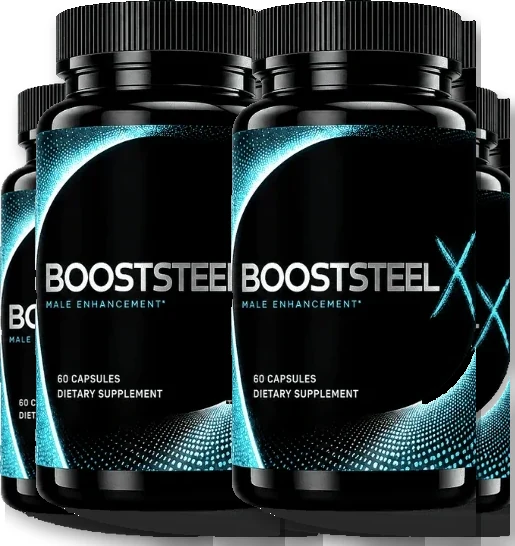
Close the common gaps in one daily formula
BoostSteelX pairs foundational zinc and magnesium with a botanical men's stack — sensible doses, printed on the label, so you can check every amount against the science.
Get Offer