Tongkat Ali Dosage & Eurycomanone Standardization Guide
What is the right tongkat ali dosage and why does standardization matter?
The researched dose is roughly 200 to 400 mg per day of a standardised extract, commonly around 2% eurycomanone. The percentage matters more than the raw milligrams because it tells you how much active compound the extract actually contains. Two products at the same weight can differ enormously if one is standardised and the other is plain root powder.
- Studied range: 200–400 mg daily of a standardised extract.
- Read the percentage: eurycomanone standardisation, not just the milligram number.
- Avoid: hidden proprietary blends and unstated standardisation.

Milligrams are the wrong headline number
Walk down the supplement aisle and every tongkat ali bottle competes on one number: milligrams. 400 mg, 800 mg, 1,200 mg. Bigger looks better. The problem is that milligrams alone tell you the weight of the powder in the capsule, not how much of the active plant chemistry is in there. That is like judging coffee by the weight of the beans instead of the caffeine. The number that actually predicts an effect is standardisation — the tested percentage of the compounds researchers were studying.
For tongkat ali, the marker compound most trials and quality manufacturers care about is eurycomanone, a quassinoid that is one of the plant's better-characterised actives. When a label says “standardised to 2% eurycomanone,” it is telling you the extract was concentrated and lab-tested so that 2% of its weight is that compound. That is a claim you can check and hold a brand to. A bare “400 mg tongkat ali root” with no percentage is not.
What '2% eurycomanone' means in practice
The maths is simple and worth doing. If you take 400 mg of an extract standardised to 2% eurycomanone, you are getting roughly 8 mg of eurycomanone. Take 200 mg of the same extract and you get about 4 mg. Now compare that to a product boasting “1,200 mg tongkat ali” with no standardisation stated: you genuinely cannot calculate how much active you are getting, because raw root powder typically contains only a small, variable fraction of eurycomanone. The 400 mg standardised extract can easily out-deliver the 1,200 mg of mystery powder.
This is why we keep saying the percentage is the headline and the milligrams are the footnote. It is also why cross-brand comparisons on milligrams alone are close to meaningless. You have to normalise for standardisation first.
Standardised extract vs raw root: same weight, different product
| Label says | What you're really getting |
|---|---|
| 400 mg extract, 2% eurycomanone | ~8 mg eurycomanone, consistent batch to batch — matches the research range. |
| 200 mg extract, 2% eurycomanone | ~4 mg eurycomanone — the lower end of the studied dose. |
| 1,200 mg root powder, no % stated | Unknown, likely low and variable active content. Big number, weak signal. |
| “100:1 extract,” no % stated | Tells you the concentration ratio, not the active level. Marketing, not potency. |
How to read a supplement facts panel
Turn the bottle around and ignore the front. The Supplement Facts panel is where the truth lives. Here is the order to read it in:
- Find tongkat ali by its full name. Look for Eurycoma longifolia and the part used (root). Vague names are a warning sign.
- Find the individual milligram amount. It should be listed per serving, for that ingredient specifically — not lumped into a total.
- Find the standardisation. A quality extract states a percentage, e.g. “standardised to 2% eurycomanone.” No percentage means you are trusting the marketing.
- Check the serving size. A dose split across two capsules is fine, but confirm the amount you calculated is per full serving, not per capsule.
- Beware the proprietary blend. If tongkat ali sits inside a “Men's Vitality Blend 1,000 mg” with no breakdown, the individual dose is hidden by design.
The proprietary blend problem
Proprietary blends are the most common way a product hides an under-dose. The manufacturer lists a group of ingredients and a single combined weight — say “Vitality Matrix 800 mg” — without telling you how much of each is in there. Legally they only have to list ingredients in descending order by weight. So a blend could be 780 mg of cheap filler and a sprinkle of tongkat ali, and the label would look identical to a genuinely dosed product. The rule of thumb: if a brand is proud of its dose, it will show it. If it hides the dose inside a blend, assume there is a reason.
Is more always better? No.
Because the studied range sits around 200 to 400 mg of a standardised extract per day, there is little reason to chase mega-doses. Going well above the researched amount has not been shown to add benefit, and it can raise the odds of side effects such as restlessness or sleep disruption in sensitive people. Supplements are not a case of “the strongest number wins.” The smarter target is the dose that actually appeared in trials, delivered by an extract you can verify. For where the human evidence begins and ends, see our companion piece on how long tongkat ali takes to work, and for safety context read Ashwagandha for Sleep and Recovery: A Male Vitality Angle.
Extract ratios are not potency
One more marketing number to disarm: the extract ratio, written as something like 50:1 or 100:1. It describes how many parts of raw root were used to produce one part of extract. It sounds impressive, and a high ratio can indicate concentration — but it says nothing about how much eurycomanone survived the process. A 100:1 extract with no stated eurycomanone percentage is a ratio in search of a meaning. Standardisation to a tested percentage is the number that ties back to the research. When a product gives you the ratio but withholds the percentage, treat the omission as the answer.
Medical note: this article is general information, not medical advice. Doses that appear in research are not personalised recommendations. Speak to a healthcare professional before starting any supplement, especially if you take medication or manage a health condition.
Scientific references
- PubMed — Eurycoma longifolia standardised extracts and eurycomanone content
- PubMed — 2022 systematic review of tongkat ali clinical trials and doses
- NIH Office of Dietary Supplements — reading a Supplement Facts label
- FDA — dietary supplement labeling requirements
- NIH NCCIH — herbal supplement quality and standardisation
Frequently asked questions
What does '2% eurycomanone' actually mean?
It means the extract has been concentrated and tested so that eurycomanone, one of the main active compounds in tongkat ali, makes up 2 percent of its weight. In a 400 mg dose that is about 8 mg of eurycomanone. A standardised percentage tells you the extract is consistent batch to batch, which a plain milligram figure on raw root powder does not.
Is more tongkat ali always better?
No. The human trials clustered around 200 to 400 mg per day of a standardised extract, not mega-doses, and going far above that has not been shown to add benefit while it may raise the risk of side effects. Beyond the studied range you are guessing, so matching the researched dose is more sensible than chasing the biggest number on a label.
How do you spot an under-dosed product?
Look for three red flags: no standardisation percentage stated, tongkat ali buried inside a proprietary blend so the individual amount is hidden, and a total blend weight too small to hold a real dose of every ingredient listed. If the label will not tell you the milligrams and the eurycomanone percentage, assume it is under-dosed.
Does extract ratio equal potency?
Not reliably. An extract ratio such as 100:1 describes how much raw root went into the extract, but it says nothing about the level of active compounds that survived. A 100:1 extract with no eurycomanone figure is a marketing number. Standardisation to a stated percentage is the more meaningful measure of potency.
Related reading
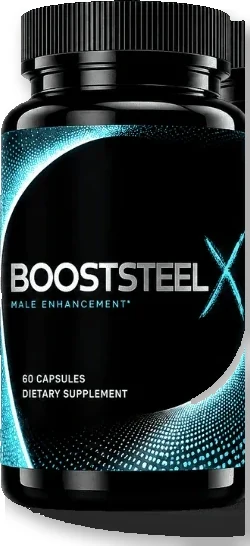
See how BoostSteelX discloses its dose
Standardised tongkat ali alongside ginseng, ashwagandha and L-citrulline — with each ingredient and its amount laid out so you can check the label yourself.
Get Offer