Signs of Low Testosterone in Men: 10 Symptoms
Quick Answer: What Are the Signs of Low Testosterone in Men?
The most common signs of low testosterone in men are low libido, persistent fatigue, loss of muscle and strength, rising belly fat, low mood, brain fog, poor sleep and weaker erections. These symptoms overlap heavily with stress and sleep loss, so they point to low T rather than prove it. A morning blood test of total and free testosterone is the only way to confirm.
- Earliest signs: low libido, fatigue and reduced drive.
- Physical signs: muscle loss, rising belly fat, weaker erections.
- Confirm it: a morning blood test, not symptoms alone.
Most men do not wake up one morning and think "my testosterone is low." Instead the signs of low testosterone in men creep in slowly and disguise themselves as ordinary life: you are just tired, just stressed, just getting older, just busy. Individually, each symptom has a dozen innocent explanations. Together, in a recognizable cluster, they are worth paying attention to, because low testosterone is common and often under-recognized, and the fixable causes are more numerous than most men expect.
This is a symptom checklist written by an independent publisher, not a manufacturer. We will walk through the ten symptoms men actually search for, explain why they overlap with sleep and stress, tell you when a blood test is worth it, and then point toward the honest, natural ways to support your levels. No fearmongering, no miracle claims.
The 10 signs of low testosterone in men
Testosterone touches energy, mood, muscle, libido and body composition, which is why its decline shows up in so many different ways. Read these as a pattern, not a diagnosis. One or two on their own mean little; several together, persisting for weeks, are the signal.
1. Low libido and reduced sex drive
A falling libido is the symptom most strongly and specifically linked to low testosterone, and it is often the first thing men notice. If your interest in sex has dropped noticeably and stayed down, not just after a stressful week, that is one of the clearest signs worth investigating.
2. Persistent fatigue and low energy
This is not ordinary end-of-day tiredness. Men with low testosterone often describe a flat, all-day fatigue that sleep does not fully fix, along with a sense that their get-up-and-go has quietly left. Because fatigue has so many causes, it is a weak signal alone but a strong one in combination.
3. Loss of muscle mass and strength
Testosterone helps build and maintain muscle, so declining levels can make it harder to gain muscle and easier to lose it, even when your training has not changed. Feeling weaker in the gym, or watching hard-won muscle slip away despite consistent effort, is a physical sign that belongs on the list.
4. Rising belly fat and body-composition changes
Low testosterone and excess abdominal fat feed each other. Fat tissue contains aromatase, an enzyme that converts testosterone into estrogen, so gaining belly fat can push levels lower, which makes gaining more fat easier still. An expanding waistline that resists your usual efforts is a classic part of the picture.
5. Low mood, irritability and reduced confidence
Testosterone influences mood and sense of drive, and low levels are associated with low mood, irritability, and a dip in confidence or assertiveness. Many men describe simply feeling less like themselves. Mood symptoms are especially tricky because they can be both a cause and a consequence, which is another reason testing matters.
6. Brain fog and poor concentration
Difficulty concentrating, a foggy memory and a sense of mental dullness are commonly reported alongside low testosterone. As with fatigue, brain fog has many culprits, poor sleep chief among them, but when it arrives with the rest of this cluster, it earns its place.
7. Poor sleep and disrupted rest
The relationship between sleep and testosterone runs both ways. Most testosterone is produced during sleep, so poor or short sleep lowers levels, and low testosterone can in turn worsen sleep quality. Untreated sleep apnea is a particularly important and often-missed contributor.
8. Weaker or less frequent morning erections
A drop in the frequency of spontaneous morning erections, or new difficulty with erections, can accompany low testosterone. It is worth stressing that erectile difficulty is more often a blood-flow and cardiovascular issue than a purely hormonal one, so it should never be waved away as "just low T" without a proper look.
9. Reduced motivation and drive
Beyond libido, many men with low testosterone report a broader loss of drive: less ambition, less spark, a harder time getting excited about goals that used to motivate them. It is subtle and easy to blame on circumstances, but a persistent flatness in motivation is part of the pattern.
10. Physical changes: hair, bone and recovery
Over longer periods, low testosterone can contribute to thinning body hair, reduced bone strength, and slower recovery from exercise or injury. These develop gradually and are among the last to become obvious, which is exactly why catching the earlier signs matters.

Recognize the Pattern? Support the Fundamentals
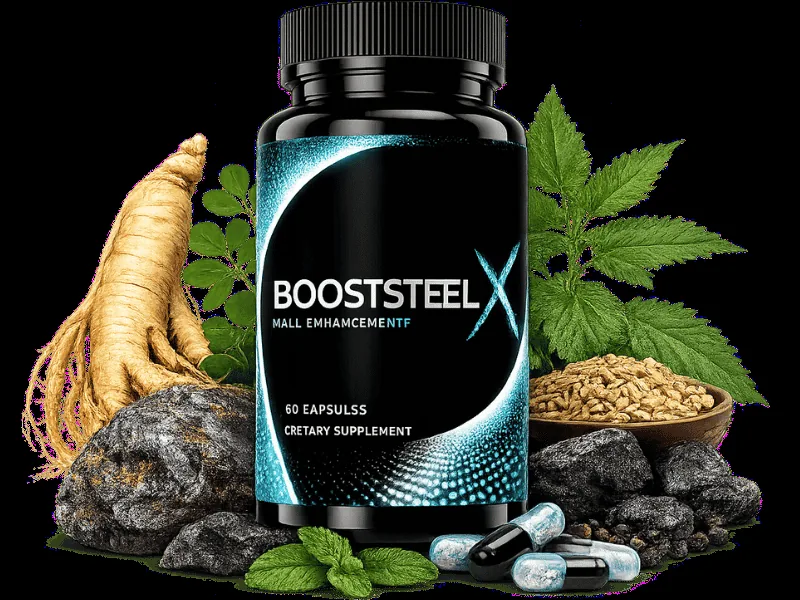
BoostSteelX pairs standardized tongkat ali, ginseng and ashwagandha with supporting nutrients to back your energy, drive and vitality, one transparent daily formula.
Get OfferWhy these signs overlap with sleep and stress
Here is the honest complication: almost every symptom above can be caused by things that have nothing to do with your hormones. Chronic sleep loss produces fatigue, brain fog, low mood and reduced libido on its own. So does relentless stress, which floods the body with cortisol, testosterone's antagonist. Depression, thyroid problems, medication side effects, anemia and simple overwork can all mimic low testosterone convincingly. This overlap is not a reason to ignore the symptoms; it is a reason not to self-diagnose from them. The same cluster that points to low T can point to a sleep disorder that, once treated, resolves the whole list, and a supplement would have done nothing for that man. The pattern tells you to investigate, not what the answer is.
When to get a blood test, and what "low" means
If several of these signs have persisted for weeks and are interfering with your life, that is the point to see a doctor and ask for a blood test rather than guessing. The standard first test is total testosterone, and timing matters: levels peak in the morning and drift down through the day, so blood should be drawn in the morning for an accurate reading. Because levels also fluctuate, a diagnosis is not made on one number; it usually requires low results on more than one morning test alongside real symptoms.
As for numbers, normal total testosterone in adult men is roughly 300 to 1000 ng/dL, and many labs flag a total below about 300 ng/dL as low, though reference ranges vary between labs. A large share of older men sit in the low-normal band, roughly 40 percent of men aged 45 and over by some estimates, which is exactly the grey zone where symptoms and lifestyle matter most. The total number is only half the story, though, because much of your testosterone is bound and inactive. To understand why two men with the same total can feel completely different, our explainer on free versus total testosterone and what your labs really mean is the essential companion to this checklist.

Can you support your levels naturally?
If your testing and your doctor point to low-normal levels driven by lifestyle rather than a medical cause, there is real room to help yourself. The biggest levers are unglamorous and free: losing excess body fat, which reduces the aromatase effect and often raises levels meaningfully; sleeping seven to nine hours to protect the overnight production window; and resistance training to build and keep muscle. Correcting a genuine vitamin D, zinc or magnesium deficiency can also help where a shortfall exists. On top of those fundamentals, evidence-backed botanicals such as standardized tongkat ali and ashwagandha may add a modest supporting effect. Our honest ranking of natural testosterone boosters that actually work keeps expectations realistic about how much any of this moves the needle.
This is where a formula like BoostSteelX fits: as a supporting layer built around standardized tongkat ali, Korean red ginseng and ashwagandha with supporting nutrients, meant to complement good habits rather than replace them or stand in for medical care. If you are over 40 and want an age-specific plan, our guide to the best testosterone booster for men over 40 lays out exactly what to prioritize. And whatever you choose, use it sensibly, which is why we also wrote a plain-spoken testosterone booster side effects and safety guide so you know what to watch for.
Medical note: this article is general information, not medical advice, and a symptom checklist is not a diagnosis. Persistent symptoms, and erectile difficulty in particular, can signal conditions that need medical attention, so see a healthcare professional for testing before starting any supplement, especially if you take medication or manage a health condition.
Frequently asked questions
What are the first signs of low testosterone?
The earliest and most noticeable signs of low testosterone in men are usually a drop in libido, persistent fatigue or low energy, and reduced motivation or drive. Many men also notice weaker or less frequent morning erections and a harder time building or keeping muscle. Because these overlap with stress and poor sleep, a blood test is the only way to confirm the cause.
At what level is testosterone considered low?
Normal total testosterone in adult men is roughly 300 to 1000 ng/dL, and many labs flag a total below about 300 ng/dL as low, though ranges vary and free testosterone matters too. A diagnosis is not made on a single number: it requires low levels on more than one morning test alongside genuine symptoms, interpreted by a doctor.
Can low testosterone be reversed naturally?
Sometimes, when the cause is reversible. Losing excess body fat, improving sleep, resistance training and correcting a vitamin D, zinc or magnesium deficiency can meaningfully raise levels in men who start low. Botanicals such as tongkat ali may add a modest effect. But if levels are clinically low from a medical cause, natural methods may not be enough, and a doctor should guide treatment.
Which blood test checks testosterone levels?
The standard test is a total testosterone blood test, ideally drawn in the morning when levels peak. If results are borderline or symptoms persist, doctors often add free testosterone, along with SHBG, LH and other markers, to see the fuller picture. Because levels swing through the day, morning timing and repeat testing matter for accuracy.
Scientific references
- Cleveland Clinic — Low testosterone (male hypogonadism) symptoms and diagnosis
- Urology Care Foundation — Low testosterone signs and testing
- JAMA — Sleep restriction and daytime testosterone in healthy men
- NIH Office of Dietary Supplements — Vitamin D fact sheet
- NIH Office of Dietary Supplements — Zinc fact sheet
- NIH NIDDK — Weight management and metabolic health
Support Your Energy, Drive and Vitality the Honest Way
Standardized tongkat ali, ginseng, ashwagandha and supporting nutrients in one daily formula — every ingredient and its evidence laid out.
Get Offer