Fenugreek for Testosterone: Benefits & Dosage
Quick Answer: Does Fenugreek Boost Testosterone, and What Is the Dose?
Fenugreek is a culinary herb studied for men's vitality. Standardized extracts around 500 to 600 mg a day are the most researched, and several trials report improvements in libido, strength and free testosterone. The effects are modest rather than dramatic, and results tend to build over roughly six to eight weeks of daily use.
- Studied dose: most trials use ~500-600 mg/day of a standardized extract.
- Strongest signal: libido and sexual function; free testosterone effects are smaller.
- Well tolerated: the classic quirk is a harmless maple-syrup body odor.
Fenugreek shows up on almost every men's supplement label, and it has earned a mixed reputation as a result: overhyped by marketers, dismissed by skeptics. The truth sits in between. When you read the actual fenugreek testosterone research rather than the ad copy, a consistent but modest picture emerges. This is a herb with real human trials behind it, a reasonably well-defined dose, and a couple of quirks worth knowing before you buy. This guide walks through the benefits, the standardized dosage, the side effects and how long it realistically takes to notice anything.
We are an independent publisher, not the manufacturer, so our job is to set expectations honestly. Fenugreek is one of the better-supported botanicals in this category, and that is exactly why it deserves a clear-eyed look rather than either breathless praise or blanket dismissal.
What is fenugreek?
Fenugreek (Trigonella foenum-graecum) is a small legume whose golden seeds have been used in cooking and traditional medicine for centuries, particularly across South Asia and the Middle East. In the kitchen it gives curries and spice blends their distinctive, slightly maple-like aroma. In the supplement world, what matters is not the raw seed but standardized extracts concentrated for specific compounds, including saponins such as the protodioscin-rich fractions used in the better clinical trials. That distinction matters: the culinary pinch you sprinkle on food is nowhere near the researched dose, which is why food alone is not what the studies are testing.
What the fenugreek testosterone research actually shows
Here is where honesty earns its keep. The evidence for fenugreek is genuinely interesting, but it is not uniform, and the strongest effects are not always where people assume.
Libido and sexual function: the clearest signal
The most consistent finding across trials is an improvement in libido and self-reported sexual function. Several randomized, placebo-controlled studies in healthy men have reported meaningful gains on validated questionnaires after several weeks of standardized fenugreek extract. Interestingly, some of these studies found libido benefits even when the change in measured hormone levels was small, which suggests fenugreek may work through more than one pathway. If there is a headline benefit, this is it.
Free testosterone: a modest, inconsistent effect
Fenugreek's reputation as a "testosterone booster" rests largely on its effect on free testosterone, the small fraction not bound to proteins in the blood and therefore biologically active. One proposed mechanism is that fenugreek may help limit the enzymes that convert and bind testosterone, nudging the free fraction upward. Some trials support a modest rise in free or bioavailable testosterone; others find no significant change. The fair summary is that the effect is real in some studies, small in size, and not guaranteed for every man. Understanding this is easier once you know the difference between the free and bound fractions, which we unpack in our guide to free versus total testosterone and what your labs really mean.
Strength and body composition
A handful of studies in resistance-trained men have paired fenugreek supplementation with a lifting program and reported improvements in strength or lean mass compared with placebo. As always, the training is doing most of the work; fenugreek is at best a modest add-on. Nobody should expect a herb to substitute for progressive overload in the gym.

Fenugreek dosage for men
Dosage is where a lot of confusion lives, because the number on the bottle only means something in context. The most-studied range is roughly 500 to 600 mg per day of a standardized extract, taken consistently, usually as a single daily dose or split with meals. The critical word is "standardized." Extracts are concentrated and characterized for their active compounds, whereas plain ground seed is far weaker and far less predictable. Two products both labelled "fenugreek 500 mg" can be very different if one is a characterized extract and the other is milled seed powder.
Practical guidance: follow the dose on a reputable, standardized product rather than improvising, and resist the urge to double it. More is not better here; the trials that showed benefits did so at sensible doses, and there is no evidence that megadosing improves the outcome. Consistency over weeks matters far more than size of dose. This "standardization over raw milligrams" principle is the same one we stress for other botanicals in our tongkat ali dosage and eurycomanone standardization guide.
Fenugreek, dosed and standardized for you
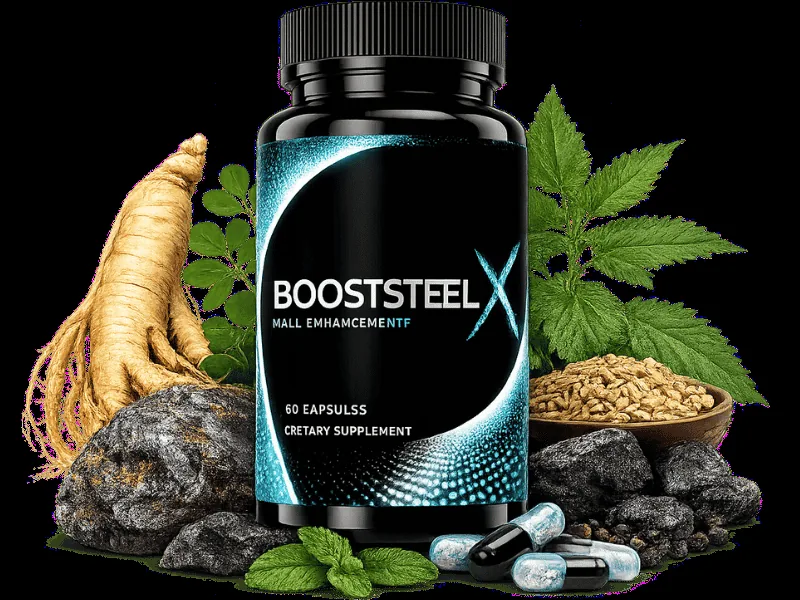
BoostSteelX blends fenugreek with tongkat ali, Korean red ginseng, ashwagandha and L-citrulline — standardized doses, one daily formula, every ingredient disclosed.
See the FormulaSide effects and safety
For most healthy men, fenugreek at studied doses is well tolerated, but there are a few things worth knowing.
- Maple-syrup body odor: The most famous quirk. Fenugreek can give sweat and urine a distinctly maple-like smell. It is harmless and simply a sign the compounds are being metabolized, but it surprises people who are not expecting it.
- Blood-sugar lowering: Fenugreek can reduce blood sugar, which is part of why it is studied in other contexts. That is a genuine consideration if you take diabetes medication, because the effects can stack. Talk to your doctor first.
- Digestive upset: Some people experience mild bloating, gas or loose stools, especially at higher doses or when starting out.
- Medication interactions: Because it may affect blood sugar and, in theory, blood clotting, fenugreek can interact with diabetes drugs and blood thinners. It is also best avoided in pregnancy.
None of this makes fenugreek dangerous for the average person, but "natural" does not mean "inert." If you take prescription medication or manage a health condition, a quick conversation with a clinician before starting is the sensible move.
Common myths and objections
"Fenugreek will spike my testosterone like a drug"
It will not. The measured hormone effects in the literature are modest, and some studies show benefits to libido without a large hormonal change at all. Anyone marketing fenugreek as a way to dramatically raise testosterone is overselling what the trials support. Expect a nudge and possible improvements in how you feel, not a graph that shoots upward.
"If a little is good, more must be better"
This is the most common and most expensive mistake with any botanical. The researched benefits came at defined doses. Piling on more raises the odds of side effects like digestive upset without any evidence of extra benefit. Stick to the standardized dose and give it time.
"Cooking with fenugreek is the same as supplementing"
Not really. Culinary amounts are far below the concentrated, standardized extracts used in studies. Enjoy fenugreek in food for the flavour, but do not expect a curry to deliver the researched dose. If your goal is the studied effect, an appropriately standardized product is what the evidence is actually about.
Where fenugreek fits in a smart stack
Fenugreek is rarely the whole answer, and it works best as one considered piece of a broader approach rather than a standalone hero. The fundamentals still come first: enough sleep, resistance training, keeping body fat in a healthy range, and correcting any nutrient deficiencies. On top of that foundation, fenugreek can sit alongside other reasonably evidenced botanicals. For the wider map of what belongs in that foundation and what is mostly marketing, our overview of natural testosterone boosters that actually work puts fenugreek in context next to the bigger levers.
This is the logic behind a combination formula like BoostSteelX, which pairs fenugreek with tongkat ali, Korean red ginseng, ashwagandha and L-citrulline. The idea is not that any single herb transforms you, but that several modestly supported ingredients, dosed sensibly on top of good habits, add up to a reasonable daily assist. If you would rather build your own stack ingredient by ingredient, our write-up on boron for testosterone and the free-T evidence covers another low-cost, well-tolerated piece worth understanding.
Medical note: this article is general information, not medical advice. Fenugreek can lower blood sugar and interact with some medications. Speak to a healthcare professional before starting any supplement, especially if you take medication, manage a health condition, or have persistent symptoms that deserve a proper diagnosis.
The bottom line on fenugreek and testosterone
Fenugreek is one of the more credible botanicals in the men's-health aisle, but credibility is not the same as magic. The clearest, most consistent benefit is for libido and sexual function; the effect on free testosterone is real in some studies and modest at best; and strength gains are small next to what training provides. Use a standardized extract at the researched 500 to 600 mg per day, give it six to eight weeks, watch for the harmless maple-syrup quirk, and be cautious if you take medication. Judged against fair expectations, fenugreek is a reasonable, well-tolerated addition to a good routine, not a shortcut around one.
Frequently asked questions
Does fenugreek really boost testosterone?
The honest answer is: modestly, and not in every study. Several randomized trials of standardized fenugreek extract report improvements in free testosterone, libido and strength, while others show benefits for sexual function without a clear change in hormone numbers. It is one of the better-supported herbs in this category, but expect a nudge rather than a transformation.
What is the best fenugreek dosage for men?
Most positive studies use around 500 to 600 mg per day of a standardized extract, taken consistently. Whole fenugreek seed and culinary amounts are far lower and less predictable. Because products vary widely in how they are standardized, follow the dose on a reputable label and give it time rather than assuming more is better.
Are there side effects of taking fenugreek?
For most people fenugreek is well tolerated. The best-known quirk is a maple-syrup smell to sweat and urine, which is harmless. It can lower blood sugar, so anyone on diabetes medication should be cautious, and mild digestive upset is possible. Fenugreek can also interact with blood thinners, so check with a doctor if you take medication.
How long does fenugreek take to work?
Give it time. Most studies run for six to twelve weeks, and men who notice a difference usually report it building over roughly six to eight weeks of daily use rather than within days. If you have seen no change after around three months at a sensible standardized dose, it may simply not be doing much for you.
Scientific references
- PubMed — Trigonella foenum-graecum (fenugreek) clinical trials in men
- NIH NCCIH — Fenugreek overview and safety
- NIH Office of Dietary Supplements — Dietary supplement fact sheets
- MedlinePlus — Fenugreek uses, interactions and cautions
- Cleveland Clinic — Low testosterone (male hypogonadism)
- FDA — Information for consumers using dietary supplements
Try fenugreek in a complete daily formula
Standardized fenugreek alongside tongkat ali, ginseng, ashwagandha and L-citrulline — dosed sensibly, backed by a money-back guarantee.
Get Offer