Boron for Testosterone: Free-T Evidence & Dose
Quick Answer: Does Boron Raise Testosterone, and How Much Should You Take?
Boron is a trace mineral studied at about 6 to 10 mg a day. Small human trials show it can lower SHBG and raise free testosterone within roughly a week, while also reducing some inflammatory markers. The effect is modest, and boron is best treated as one supporting piece of a broader stack, not a standalone fix.
- Studied dose: ~6-10 mg/day, far above the trace amount from food.
- Main mechanism: it lowers SHBG, freeing up more usable testosterone.
- Well tolerated: safe within limits at these doses; not a magic bullet.
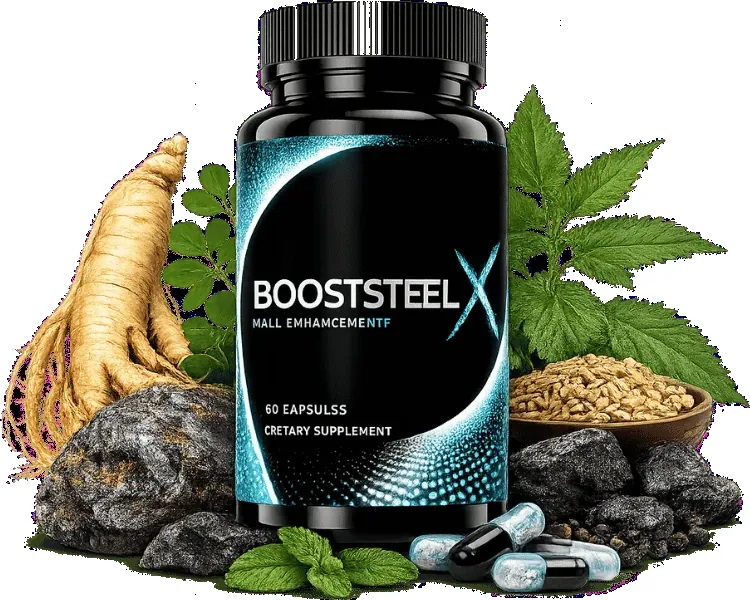
Boron rarely gets top billing on a supplement label, yet it keeps turning up in men's formulas and testosterone forums. The reason is a small cluster of studies with an eye-catching finding: a modest daily dose appeared to shift hormone markers in a favourable direction within about a week. That is genuinely interesting, but the boron testosterone story is also a case study in how a promising signal gets inflated into a miracle. This guide separates what the evidence actually supports from the hype, covers the dose that studies used, and explains where boron sensibly fits.
We are an independent publisher, not the manufacturer, so we will say plainly what most sales pages will not: boron is cheap, well tolerated and mildly useful, not a testosterone switch you flip. Understanding the difference will save you both money and disappointment.
What is boron?
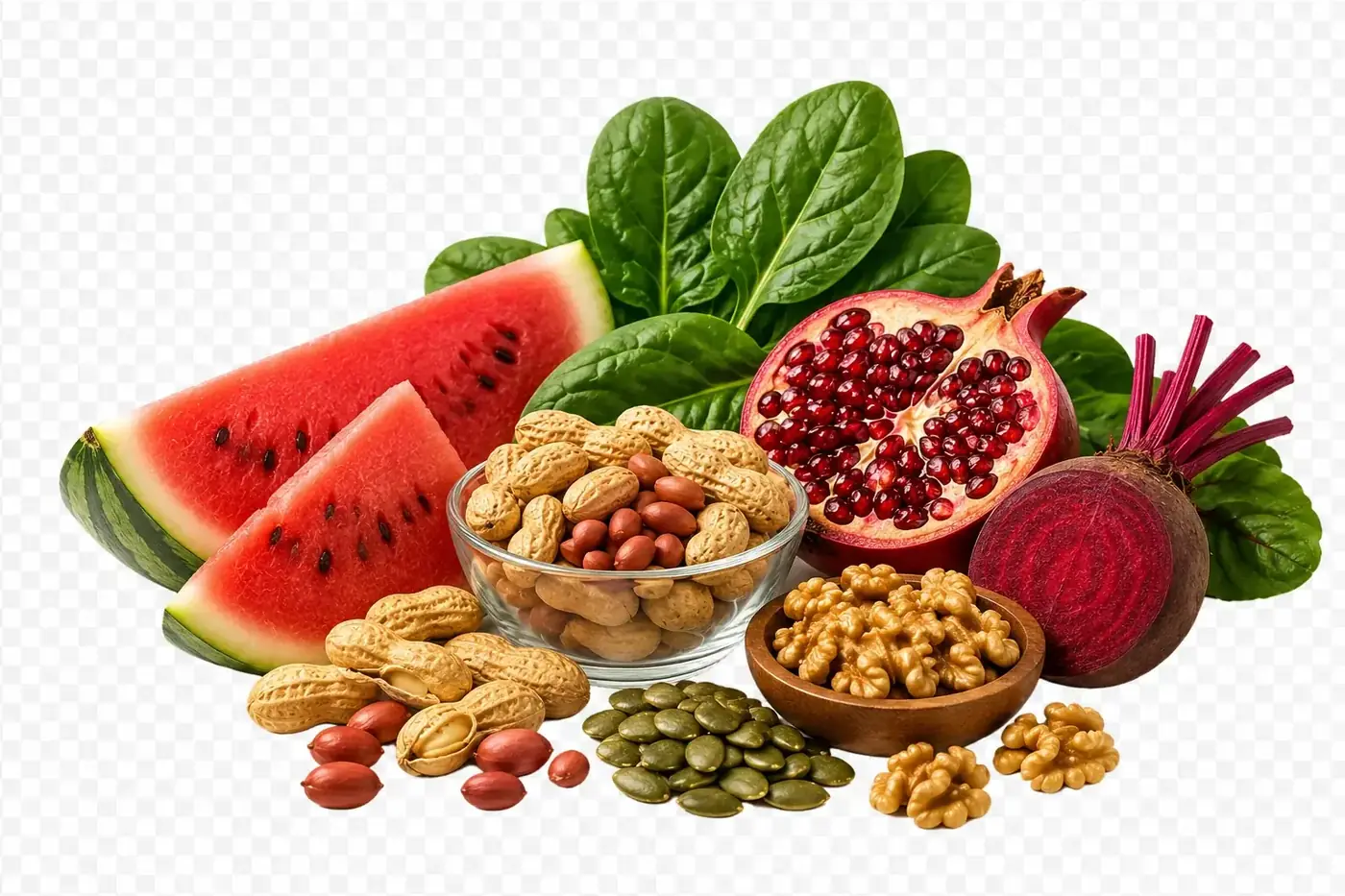
Boron is a trace mineral found in the soil and, from there, in plant foods. Prunes, raisins, dried apricots, almonds, avocados and leafy greens are among the richer dietary sources, and most people take in somewhere around 1 to 3 mg a day from a normal diet. It is not classified as an essential nutrient in the strict sense, but research over the past few decades has linked it to bone health, cognition and, most relevant here, hormone metabolism. The doses studied for testosterone support are higher than what food provides, which is why supplementation enters the picture.
What the boron testosterone research shows
The interesting part of boron is not its effect on total testosterone, which tends to be small, but what it does to the balance between bound and free hormone. To make sense of that, it helps to know how testosterone travels in the blood.
The SHBG and free-testosterone mechanism
Most of the testosterone in your bloodstream is not freely available. A large fraction is bound tightly to a carrier protein called sex hormone-binding globulin, or SHBG, and only the small unbound portion, free testosterone, is readily usable by your tissues. This is why two men can have identical total testosterone yet feel very different: what matters day to day is how much is free. If that distinction is new to you, our explainer on free versus total testosterone and what your labs really mean is worth reading alongside this.
Boron's headline finding is that it appears to lower SHBG. In a frequently cited small study, men taking roughly 6 mg of boron daily showed a drop in SHBG and a rise in free testosterone after about a week, even though total testosterone did not change dramatically. By loosening the grip of the carrier protein, boron may free up more of the testosterone you already produce. That is a plausible, useful mechanism, but note the scale: these were small studies, and the effect is best described as a helpful nudge to the usable fraction rather than a surge in production.
Inflammation and other markers
Some of the same research reported reductions in inflammatory markers such as high-sensitivity C-reactive protein alongside the hormonal shifts. Lower chronic inflammation is broadly desirable and may indirectly support a healthier hormonal environment. Again, these findings come from small trials and should be held loosely, but they add to the picture of boron as a mild, multi-target support mineral rather than a single-purpose booster.
What about estrogen?
Boron is often marketed as an "estrogen blocker," which overstates the evidence. Some short studies noted changes in estrogen alongside the SHBG and free-testosterone shifts, but the direction and magnitude have not been consistent across trials, and in at least one study estradiol actually rose. The honest reading is that boron may influence hormone balance broadly, but it is not a reliable anti-estrogen, and you should not buy it expecting one.
Boron, dosed as part of a complete stack
Rather than juggling single minerals, BoostSteelX combines supporting ingredients with tongkat ali, ginseng, ashwagandha and L-citrulline in one daily formula — doses disclosed.
See the FormulaBoron dosage: how much and when
The dosing question is refreshingly simple with boron. The studies that reported hormonal effects generally used around 6 to 10 mg per day, taken as a single daily dose, often with food. That is several times what you get from diet but still comfortably within the tolerable upper intake level set by health authorities for adults. There is no evidence that going higher does anything beneficial, and pushing well past the studied range only raises the risk of side effects with no upside.
Practical guidance:
- Stick to 6-10 mg/day. This is the researched window; more is not better.
- Take it consistently. The SHBG effect in studies showed up within about a week of daily use, so regularity matters more than timing.
- Mind your total. If you already take a multivitamin or a men's formula containing boron, count that toward your daily total rather than stacking blindly.
Because boron is inexpensive and the effective dose is small, it is one of the easier ingredients to include sensibly, which is part of why it appears in so many combination products.
Safety and side effects
At the low doses used for hormone support, boron is generally well tolerated, and it has a long history of dietary intake. Problems arise only at intakes far above supplement doses, where nausea, digestive upset and other effects can occur. Staying within the 6 to 10 mg range keeps you well below the levels of concern. That said, a few sensible cautions apply: if you have kidney problems your body may clear boron less efficiently, and anyone who is pregnant, breastfeeding or taking medication should check with a clinician first. As with any supplement, "well tolerated" is not a licence to megadose in search of a bigger effect that the evidence does not support.
Myths and objections worth addressing
"Boron will dramatically raise my testosterone"
It will not, and the studies never claimed it would. The meaningful finding is a shift in free testosterone driven by lower SHBG, not a big jump in what your body produces. If your total testosterone is genuinely low for a medical reason, boron is not the answer, and a blood test with a clinician is. Set your expectations to "modest support" and you will not be disappointed.
"If food has boron, I don't need to supplement"
The gap between dietary and studied amounts is the whole point. A diet rich in prunes, nuts and greens is good for many reasons and does supply boron, but it delivers roughly 1 to 3 mg a day, well below the 6 to 10 mg used in the research. You could not realistically eat your way to the studied dose without an unusual diet, which is where a modest supplement fills the gap.
"More boron equals more benefit"
This is the familiar and costly supplement myth. The effect plateaus, and beyond the tolerable upper limit the risk rises without any added benefit. Boron is a case where discipline pays: hit the small, researched dose and stop.
Medical note: this article is general information, not medical advice. Speak to a healthcare professional before starting any supplement, especially if you have kidney issues, take medication, or manage a health condition. Persistent symptoms deserve a proper diagnosis rather than self-treatment.
Where boron fits: one piece, not the whole picture
The most useful way to think about boron is as a low-cost, low-risk supporting player. It will not carry a program on its own, but as one part of a sensible stack sitting on top of good fundamentals, it is a reasonable inclusion. Those fundamentals still do the heavy lifting: sleep, resistance training, keeping body fat in check, and correcting genuine deficiencies. If you want the full ranking of what matters most, our overview of natural testosterone boosters that actually work puts boron in its proper place near the "nice extras" end rather than the headline.
This stacking logic is exactly why boron rarely appears alone. In a combination formula like BoostSteelX, it sits alongside better-known botanicals such as tongkat ali, Korean red ginseng and ashwagandha, each contributing a modest, differently-targeted effect. If you are researching those companions, our deep dive on fenugreek for testosterone, its benefits and dosage covers another well-tolerated ingredient that pairs naturally with boron in a thoughtful stack.
The bottom line on boron and free testosterone
Boron earns a modest, honest place in the men's-health toolkit. The evidence points to a real but small benefit: at about 6 to 10 mg a day it can lower SHBG and lift free testosterone within roughly a week, with a bonus signal for reduced inflammation, and it does so cheaply and with a good safety profile at those doses. What it is not is a testosterone switch, an estrogen blocker, or a substitute for fixing sleep, training and body fat. Judge it as a supporting ingredient in a well-built stack and boron delivers exactly what a good supporting ingredient should: a little help, at low cost and low risk.
Frequently asked questions
Does boron increase testosterone?
It can nudge the useful fraction. Small human trials suggest boron does not dramatically raise total testosterone, but it can lower sex hormone-binding globulin (SHBG), which frees up more biologically active testosterone. The rise in free testosterone reported in some studies appeared within about a week. Treat it as a modest, supporting effect rather than a large one.
How much boron should I take daily?
Research on testosterone typically uses around 6 to 10 mg per day, far more than the roughly 1 to 3 mg most people get from food but still within tolerated limits. There is no good reason to exceed this range for hormone support, and higher is not better. Follow a reputable product's label and keep the dose modest.
Does boron lower estrogen in men?
The evidence is mixed and dose-dependent. Some short studies report shifts in estrogen alongside changes in free testosterone and SHBG, but the direction and size vary between trials and individuals. Boron is better understood as supporting free testosterone and hormone balance broadly than as a reliable estrogen blocker. Do not expect a dramatic drop in estrogen.
Is boron safe to take long term?
At the low doses used for testosterone support, roughly 6 to 10 mg a day, boron is generally well tolerated and considered safe within established upper limits. Very high intakes well beyond supplement doses can cause problems, so there is no benefit to overdoing it. If you take medication or have kidney issues, check with a doctor before long-term use.
Scientific references
- PubMed — Nothing boring about boron: clinical and hormonal review
- NIH Office of Dietary Supplements — Boron fact sheet
- PubMed — Boron supplementation, SHBG and free testosterone trials
- NIH Office of Dietary Supplements — Mineral fact sheets and upper limits
- Cleveland Clinic — Low testosterone (male hypogonadism)
- FDA — Information for consumers using dietary supplements
Get boron in a complete daily formula
Skip the single-mineral juggling — BoostSteelX pairs supporting minerals with tongkat ali, ginseng, ashwagandha and L-citrulline, backed by a money-back guarantee.
Get Offer